Market Cycle movements decide when most people panic, chase, or freeze.
Yet almost no one is taught how to use them calmly.
Prices don’t move randomly.
They move in emotional waves—fear, hope, greed, and relief. When you understand those waves, markets stop feeling chaotic and start feeling readable.
You don’t need to predict the future. You just need to recognize where you are in the cycle—and adjust.
Table of Contents
What a Market Cycle Really Is
A market cycle reflects how prices normally move up and down over periods. It occurs because human responses to risk and uncertainty tend to repeat.
Markets move:
• Up when confidence grows
• Sideways when belief weakens
• Down when fear takes control
These shifts repeat across stocks, indices, crypto, and even commodities.
While news and data matter, human behavior shapes the cycle more than numbers.
That’s why the same patterns appear again and again—just with different headlines.
Also Read: Trading Victory
Also Read: Colour Trading Mastery
Why Price Behavior Repeats
In reality, if people were logical all the time, markets would move smoothly.
They don’t—because emotion always enters the equation.
Here’s why cycles keep repeating:
- Fear spreads faster than logic
- Greed blinds risk awareness
- Losses trigger emotional decisions
- Confidence builds slowly, then collapses fast
Even experienced traders fall into the same emotional traps when they ignore the cycle. This is also why trading psychology plays a bigger role than most strategies.
Also Read: Trading Journal
The Four Common Market Phases
Most markets move through four broad phases. The timing changes, but behavior stays familiar.
Also Read: Options Trading
Accumulation Phase
This phase begins after a heavy fall, when fear still dominates, news feels negative, and participation remains low. Prices often move sideways, not up.
This is where patient traders quietly build positions. They act before confidence returns.
You’ll often notice:
- Low volume
- Flat price movement
- General disinterest
It feels boring. That boredom is the signal.
Also Read: Fundamental Analysis
Mark-Up Phase
This is where trends feel exciting. Prices start rising steadily, more people notice, and confidence begins to build. Momentum traders thrive here. Breakouts feel cleaner.
You’ll see:
- Higher volume
- Strong trends
- Growing optimism
However, comfort slowly replaces caution. That comfort is useful—until it isn’t.
Also Read: Gift Nifty
Distribution Phase
This phase confuses most people. Prices stop rising fast. Volatility increases.
Good news feels “priced in.”
Smart money begins selling quietly. Late buyers rush in emotionally.
You may notice:
- Sideways movement
- Sharp fake breakouts
- Mixed signals
This is where risk management matters most.
Also Read: Sector Rotation
Mark-Down Phase
Also Read: How to Use TradingView
Why Timing the Market Cycle Is So Hard
That’s why you won’t know the phase with certainty in real time, and this uncertainty is completely expected. Market cycles become clear after they pass.
Trying to catch exact tops or bottoms leads to emotional mistakes. Instead of predicting, focus on probability-based trading, such as:
- Risk control
- Position sizing
- Emotional awareness
Also Read: Backtesting
Also Read: How to Do Forward Testing
How to Apply Cycles in Real Trading
Because of this, you don’t trade the same way in every phase. Smart traders adjust.
For example, when prices grind sideways after a long fall and volume stays low, many traders lose interest. A cycle-aware trader stays patient instead of chasing excitement. That patience often protects capital before trends become obvious.
Here’s a simple approach:
- Accumulation → Patience and observation
- Mark-up → Trend-following strategies
- Distribution → Reduce exposure, tighten stops
- Mark-down → Capital protection first
The goal isn’t perfection. It’s alignment.
This approach keeps your risk management aligned with changing conditions. For instance, during long sideways periods in major indices, many disciplined traders simply reduce activity instead of forcing trades.
Also Read: NiftyBees
Market Cycle vs Business Cycle (Quick Clarity)
Also Read: Pledge
How Long Does a Market Cycle Last?
Duration matters less than alignment. In practice, there’s no fixed duration. A cycle can last:
- Months on short timeframes
- Years on long-term charts
Your trading style decides which cycle matters most. Day traders watch short cycles. Investors watch long ones.
Once you understand the phases, the next step is spotting them on a chart.
Also Read: Morning Star & Evening Star
Tools That Help You Read Market Phases
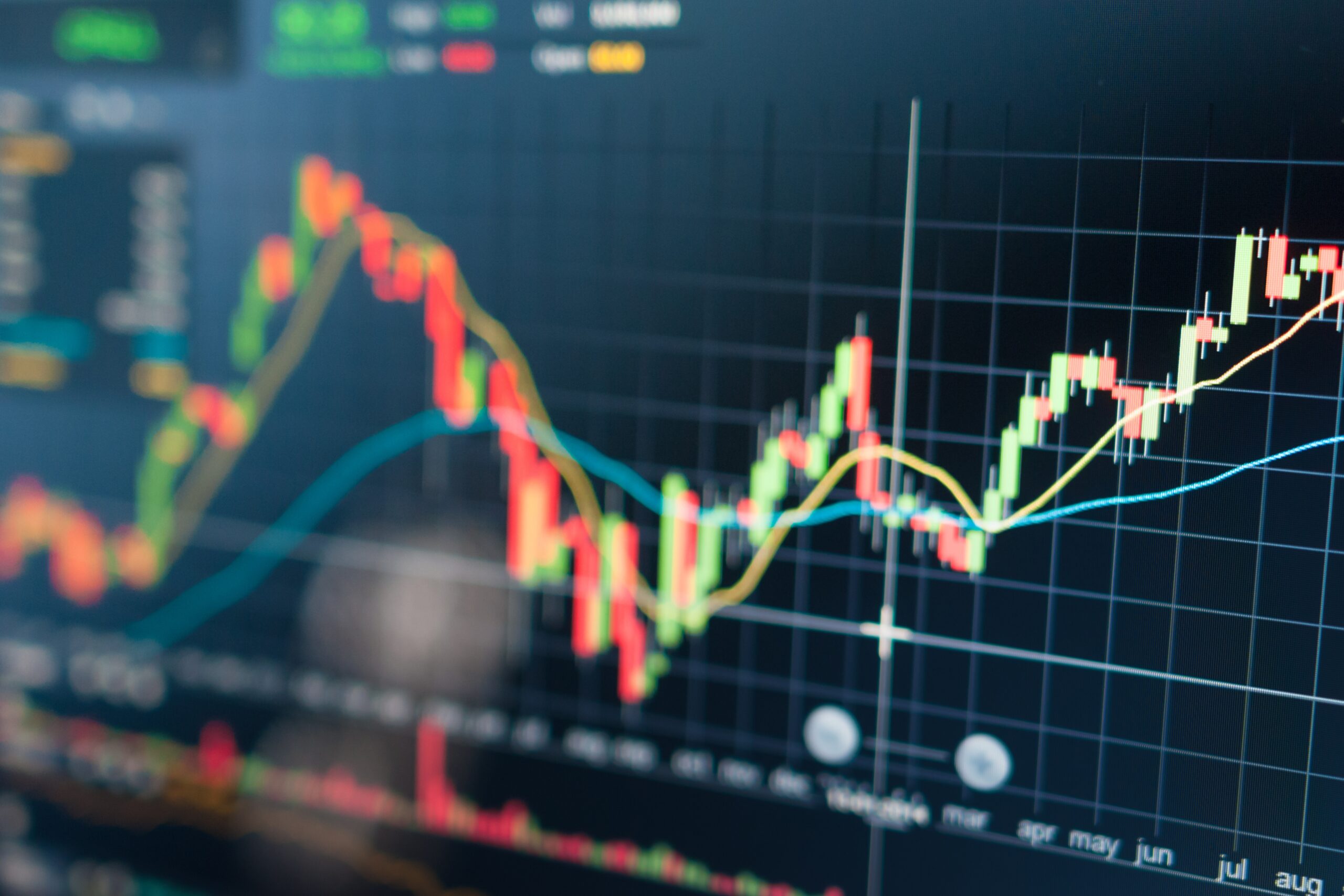
In practice, you don’t need complex systems to read market behavior—clarity often comes from simplicity. Simple tools already show phase shifts clearly.
Commonly used price action tools include:
- Price structure to spot higher highs or lower lows
- Volume changes to confirm strength or weakness
- Moving averages to judge trend direction
Used together, these tools reduce guesswork. They help you react calmly instead of emotionally.
Also Read: Bollinger Band
Also Read: Golden Crossover
Why Different Traders See Different Cycles
For example, a short-term trader may see weakness on a 15-minute chart and stay cautious, while a long-term investor views the same price action as a healthy pullback on a weekly chart. The difference isn’t opinion—it’s perspective.
That’s why staying aligned with a strategy beats following opinions.
Your choices should fit your timeframe, risk comfort, and goals—not outside chatter.
Also Read: Fibonacci Retracement
The Role of Emotion Inside Every Market Cycle
Every phase is emotional.
- Accumulation → Fear and disbelief
- Mark-up → Hope and confidence
- Distribution → Greed and denial
- Mark-down → Panic and regret
Emotional decision-making often overrides logic during fast market moves. Understanding this helps you avoid revenge trading and impulsive decisions.
Losses don’t just hit your account—they hit identity.
That’s why emotional awareness matters as much as technical skill.
Also Read: Circuit Limit
Common Mistakes Traders Make With Market Cycles
Also Read: Backtesting & Forward Testing
Can You Profit Without Perfect Market Cycle Timing
Yes. You don’t need perfect entries—what you need is controlled risk. Consistent traders focus on:
- Probability, not prediction
- Process, not outcomes
- Capital protection and capital preservation
That mindset compounds faster than any shortcut.
Also Read: Risk to Reward Ratio
Also Read: How to Use Stock Heatmaps
FAQs
Can beginners actually use this approach?
Yes. Understanding cycles actually simplifies decision-making.
Is this pattern something that always works, or can it fail at times?
No pattern is guaranteed, but cycles repeat often enough to matter.
Do market cycles work in crypto?
Yes. Crypto shows the same emotional phases—often faster.
Should you trade every phase?
Also Read: Trading Rules
Final Thoughts: Let the Market Cycle Work for You
The market isn’t out to trick you. It’s reacting to collective emotion. When you understand the broader structure, you stop forcing trades and start waiting for alignment.
That patience alone separates consistent traders from frustrated ones. If you want progress, start by asking one simple question before every trade:
Where are we in the cycle right now? That awareness changes everything.
Also Read: Market Order & Limit Order