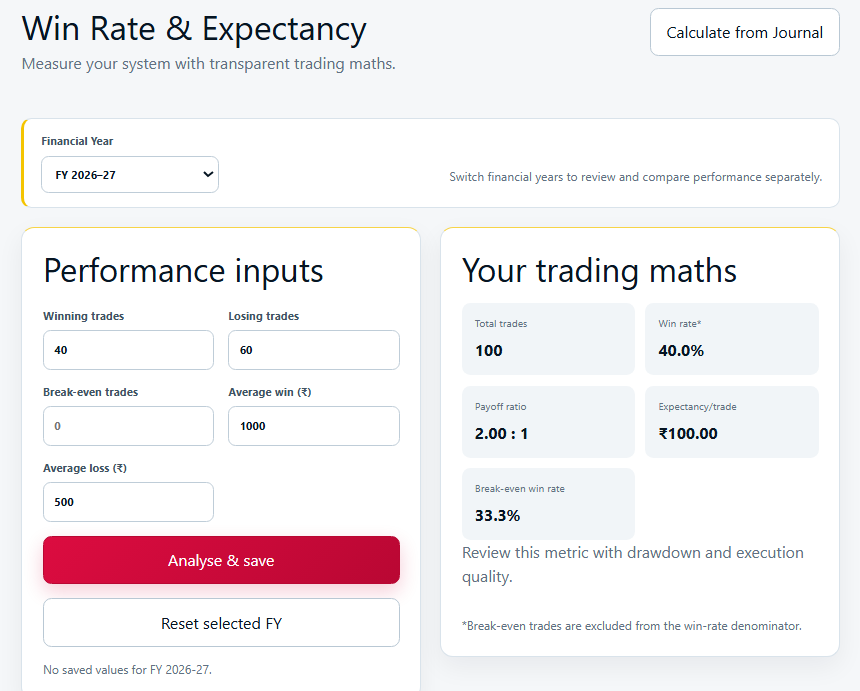
Consecutive Losses in Trading: Normal Variance or a Broken Process?
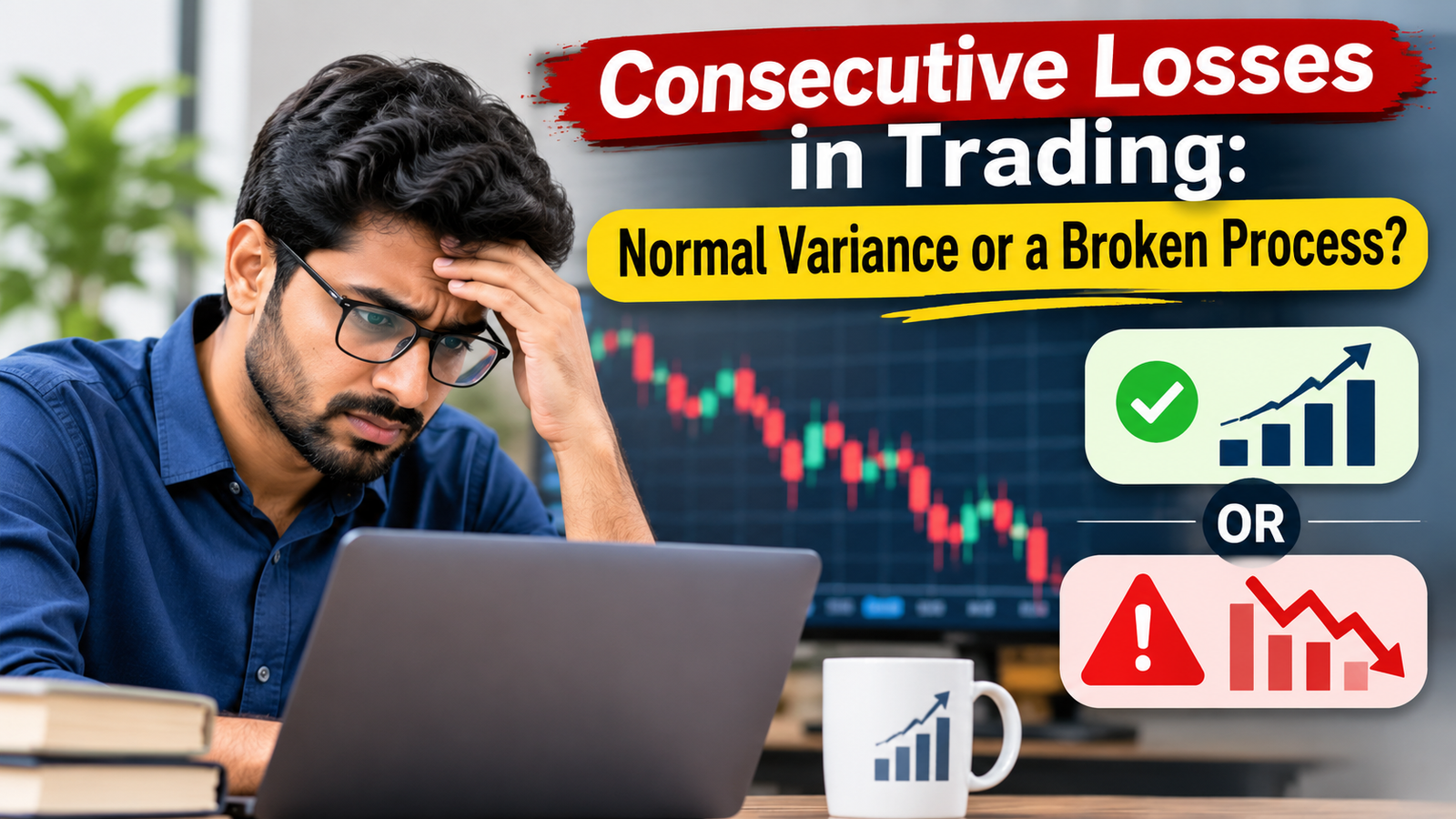
Consecutive Losses in Trading

Three or five losing trades in a row can make a trader question the strategy, the market, and personal ability at the same time. The streak may be ordinary variation in a valid method. It may also expose poor execution, excessive size, clustered setups, changed market conditions, or a strategy that was never tested properly. … Read more

Planned Risk vs. Actual Loss: Measure the Gap Before It Damages Your Account

Planned Risk vs. Actual Loss

You planned to risk Rs. 500. The stop was triggered, yet the broker statement shows a Rs. 602 loss. The position-size formula was not necessarily wrong. The final result may include a different entry fill, a worse exit fill, a price gap, multiple partial fills, charges, or a decision to move the stop. Planned risk … Read more

Why Traders Move Their Stop-Loss: How to Stop Turning a Planned Loss into a Bigger One

stop loss

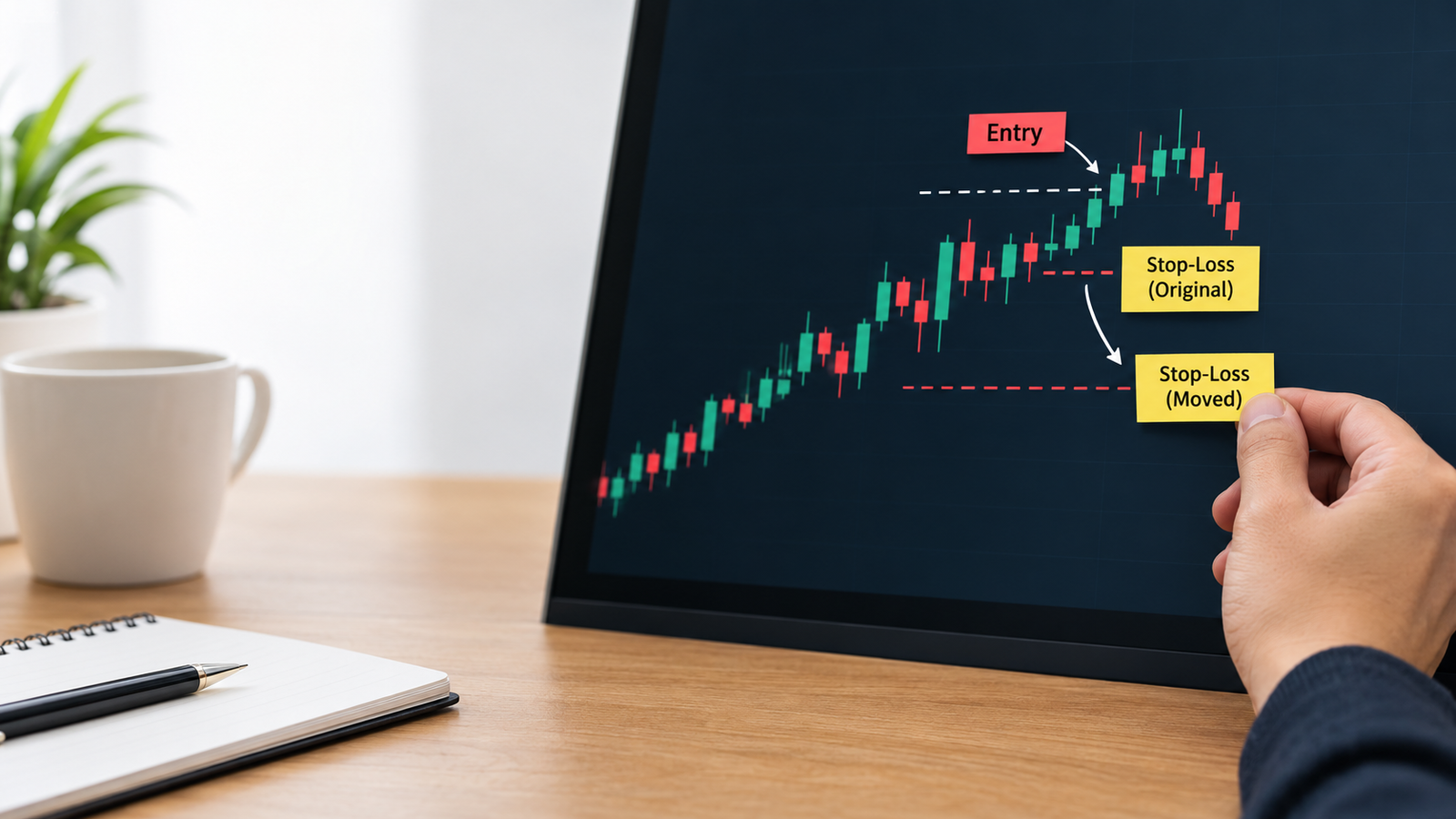
Traders often move a stop-loss farther away because closing the trade converts an uncertain loss into a realised one. Widening the stop without reducing quantity increases the planned rupee risk and changes the original trade. To stop doing it, define the invalidation level before entry, size the position from that level, place the order, and … Read more

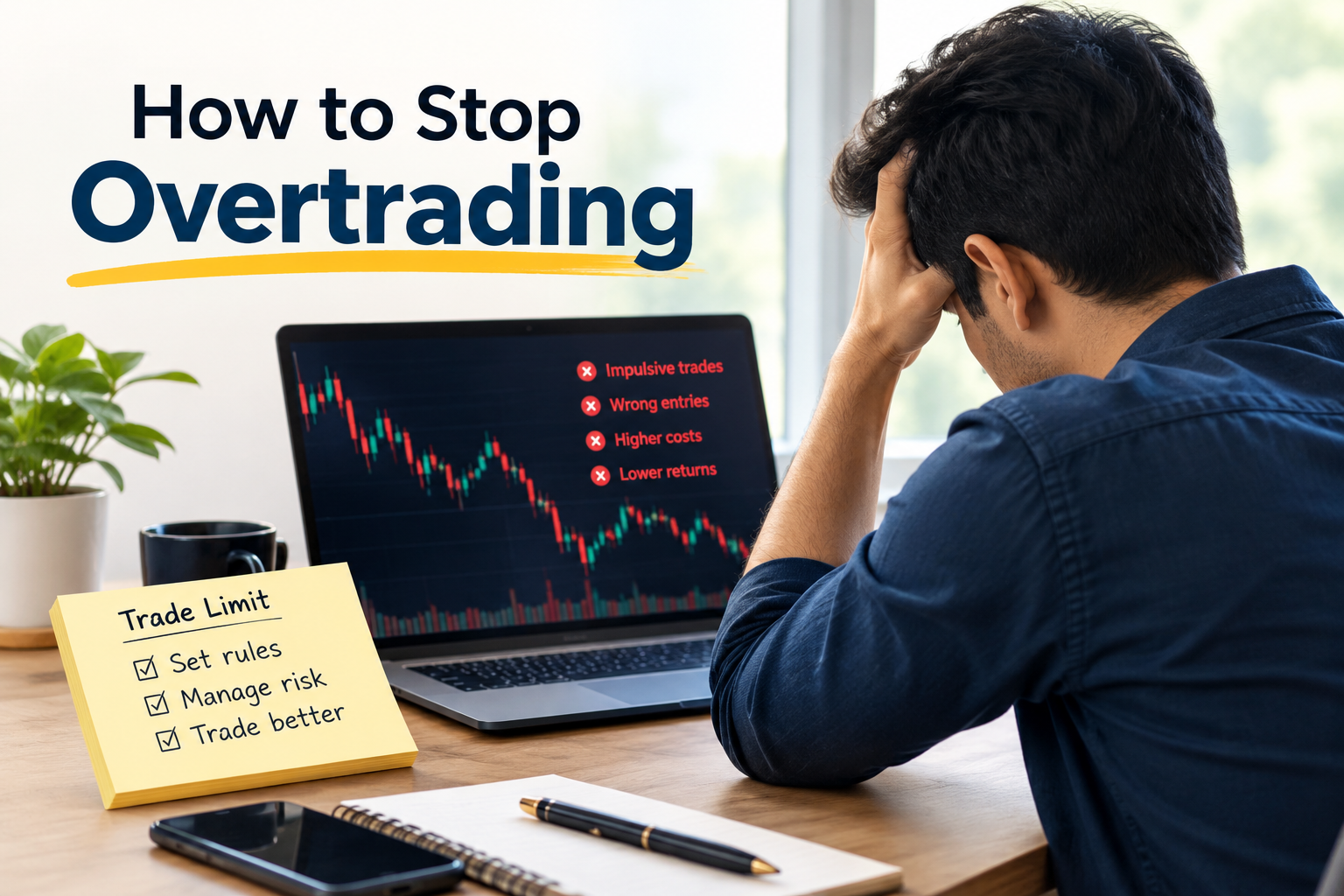
How to Stop Overtrading: Signs, Hidden Costs and a Practical Trade-Limit System

overtrading

Quick answer Overtrading is not defined by a universal number of trades. It occurs when trade frequency, position size or repeated entries exceed the rules and opportunities supported by your plan. To stop it, define valid setups, cap daily risk and trade count, use a post-loss cooldown, and review the cost of all rule-breaking trades … Read more

Trading Psychology for Indian Traders: A Practical System to Control Fear, FOMO and Revenge Trading

Trading Psychology

Direct answer Trading psychology is the way your emotions, habits and cognitive biases influence decisions before, during and after a trade. It does not replace a tested strategy. Its practical purpose is to help you follow your entry, risk, exit and review rules when fear, FOMO, overconfidence or the urge to recover a loss makes … Read more

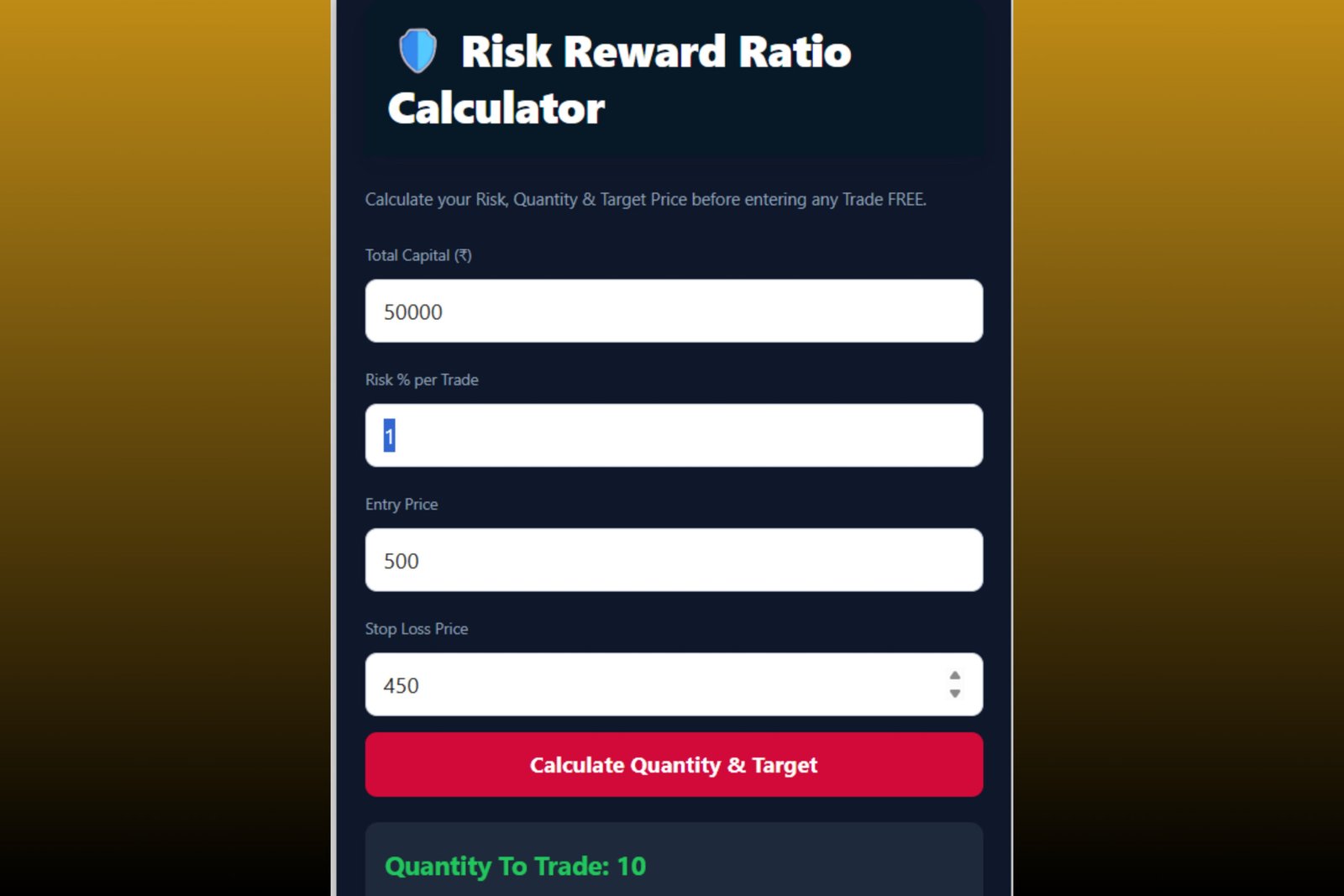
How Much Should You Risk Per Trade? Position Sizing for a ₹50,000 Account

position sizing

A promising trade setup can still damage your account if the position is too large. Suppose you identify an entry at ₹250 and place a stop-loss at ₹245. You then buy as many shares as your available capital allows. If the stop is triggered, the loss turns out to be twice what you were prepared … Read more

10 Proven Ways to Be Patient in Trading

patient in trading

Being patient in trading is often the difference between steady growth and constant frustration. Many traders know strategies, indicators, and setups. Still, they lose money because they rush decisions, chase candles, or react emotionally. If you want lasting results, patience isn’t optional. It’s a core trading skill. Let’s break this down in a simple, practical … Read more

How to Shield Your Trading Account: Fearless Mind

Trading Account

In trading, perfecting your timing helps, but it’s not everything. Beginners frequently lose funds chasing fast returns. They enter without guidance, take unnecessary risks, and end up blowing their accounts. Unfortunately, this happens more frequently than most realize. Thankfully, using a proper method can help avoid this situation entirely. Trading wisely can transform your financial … Read more