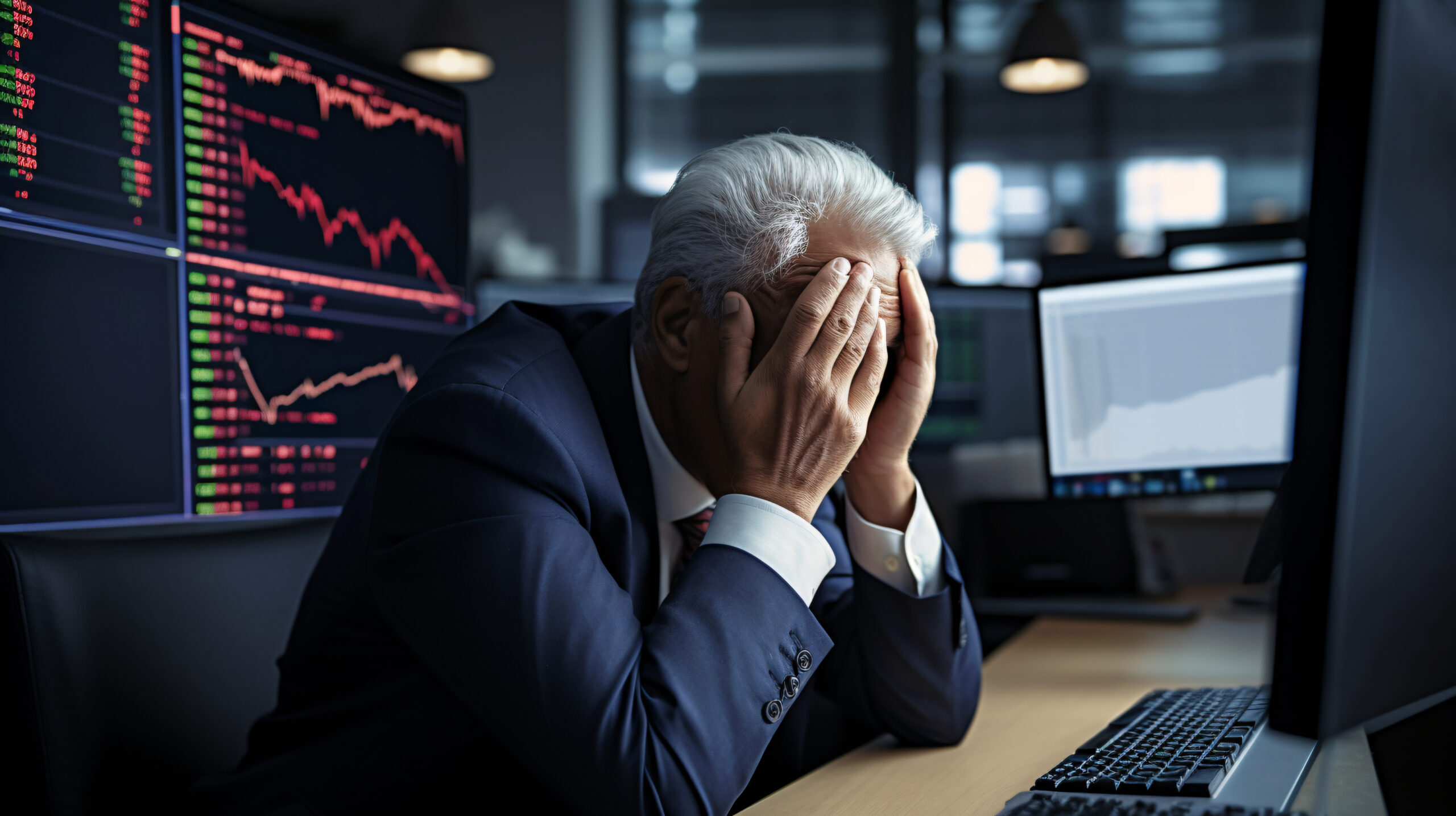
Revenge trading often begins with one small loss. What follows feels urgent, emotional, and strangely logical all at once.
You want your money back. You want to feel right again.
So you click faster than usual. One rushed decision can slowly erase months of steady progress.
Most traders don’t fail because of bad strategies. They fail because emotions take control when it matters most.
Let’s break this pattern clearly, calmly, and honestly.
Table of Contents
What Revenge Trading Really Looks Like in Real Life
Revenge trading isn’t always dramatic. Often, it feels subtle and justified.
You lose a trade. You feel a tightness in your chest.
A quiet idea creeps in: one good trade will fix everything. That thought drives action.
Revenge trading happens when decisions shift from process to recovery. Your focus moves from execution to fixing pain.
Common signs include:
• Entering without full confirmation
• Increasing position size after a loss
• Ignoring your stop loss
• Trading faster than usual
The market hasn’t changed. Your emotional state has.
Also Read: NiftyBees
Why Emotions Override Logic After a Loss
Loss hits the brain differently than profit. It triggers stress, urgency, and threat response. Your thinking narrows. Your patience drops. Your discipline weakens. This isn’t weakness. It’s biology.
Stress chemicals reduce your ability to plan. This is why rules suddenly seem less important once a loss hits. This is also where trading psychology matters more than strategy.
Also Read: Pledge
The Emotional Chain Behind Impulsive Trades
Revenge trading rarely starts with anger. It starts with discomfort.
The chain usually looks like this:
• Loss creates tension
• Tension demands relief
• Relief feels like action
• Action becomes impulsive
By the time anger appears, damage has already begun. Seeing this chain early gives you a chance to stop before impulse takes over.
Also Read: 11 Crypto Insights
When a Normal Loss Turns Into Emotional Overtrading
Also Read: Dividend Stocks
How Ego and Identity Quietly Influence Decisions
Sometimes the real trigger isn’t money. It’s self-image.
Thoughts like:
• “I should know better”
• “I’m better than this setup”
• “Can’t end today in loss”
These ideas protect ego, not capital. Revenge trading usually starts when your ego feels under threat. Instead of fighting identity, soften it.
Try replacing labels with learning:
• “I’m improving my patience”
• “I’m refining my execution”
Growth feels safer when identity stays flexible.
Also Read: Momentum Edge
Modern Trading, Dopamine, and Speed Pressure
Today’s platforms make action instant. Charts refresh fast. Orders execute in seconds. This speed fuels dopamine.
Losses trigger urgency, reducing balanced and thoughtful decision-making. That’s why revenge trading feels urgent. Always-on platforms quietly make disciplined trading harder to maintain. True control often means slowing the environment, not your willpower.
Also Read: Morning Star and Evening Star
Real Situations That Trigger Revenge Trading
Many traders fall into the same traps. One common example is getting stopped out, re-entering immediately, and doubling size to “make it back.”
Common triggers include:
• Multiple stop losses in a row
• Missing a sharp breakout
• Watching others post profits
• Starting a session with pressure
These moments feel personal, even when they aren’t. Awareness matters more than avoidance.
Also Read: Golden Crossover
Clear Signs You’re Already Revenge Trading
Watch for these signals:
• Position size increases emotionally
• Rules feel “flexible”
• You stop journaling trades
• You focus on P&L, not price
If you notice two or more, step away. Capital protection starts with recognition.
Also Read: Heikin Ashi Candle
How Revenge Trading Destroys Your Portfolio Over Time
Revenge trading rarely wipes accounts in one day. It drains them slowly.
Damage shows up as:
• Larger drawdowns
• Reduced confidence
• Broken trading discipline
• Hesitation in good setups
Even a strong strategy fails without emotional control. That’s why professionals protect mindset first — money second.
Also Read: How to Analyze Nifty Reversal
Why Trading Rules Collapse Under Emotional Pressure
Many traders have rules. Few follow them under pressure.
Rules fail because:
• They weren’t tested emotionally
• They rely on willpower alone
• There are no built-in pause points
Without pauses, emotion fills the gap faster than logic can respond. During stress, untested rules collapse faster than bad strategies.
Good risk management plans include emotional exits, not just price exits.
Rules don’t fail randomly — they fail when emotion and urgency start arguing inside the mind. That inner conflict is exactly where discipline breaks down.
Also Read: Fibonacci Retracement
The Internal Tug-of-War Between Discipline and Urgency
Most traders miss that the real struggle happens inside, not on charts.
It’s internal. After a loss, two voices often appear.
One says, “Stick to the plan.”
The other whispers, “Just fix this quickly.”
That tension creates mental fatigue. Fatigue leads to shortcuts.
You may still know the right action, but clarity feels weaker. This is where many portfolios slowly bleed.
The goal isn’t to silence emotion. It’s to notice it without obeying it.
Professional traders don’t feel less. They pause more. Once you anticipate this inner clash, it stops controlling your actions. Awareness turns reaction into choice. That choice protects capital more than any indicator ever will.
Also Read: Circuit Limit
A Simple Before–During–After Control Framework
Before the Trade
- Define max daily loss
- Limit number of trades
- Set a mental stop rule
Also Read: Short Selling Mistake
During the Session
- Trade only planned setups
- Avoid P&L checking
- Stick to predefined size
Also Read: Backtesting
After a Loss
- Step away for 20 minutes
- Write one sentence about the loss
- Do not re-enter immediately
Also Read: Risk to Reward Ratio
How to Recover After a Revenge Trade
Also Read: Liquidity Concept
Building Long-Term Protection Against Revenge Trading
Also Read: How to Use Stock Heatmaps
Frequently Asked Questions
Is revenge trading common among beginners only?
No. Even experienced traders fall into it during stress or overconfidence phases.
Can a strong strategy prevent revenge trading?
A strategy helps, but emotional discipline matters more during losses.
How long should I pause after a losing trade?
Minimum 20 minutes. Resume only when urgency fades—not when confidence returns or losses feel tempting.
Does revenge trading mean I should quit trading?
No. It means your process needs emotional structure.
Also Read: Paper Trading
Final Thoughts — Control the Moment, Protect the Portfolio
Revenge trading isn’t about intelligence. It’s about reaction speed under stress.
The market doesn’t need to be beaten. It needs to be respected. If you can pause after one loss, you’re already ahead of most traders.
Protect your process. Your portfolio will follow.
Emotional discipline doesn’t increase profits instantly — it prevents unnecessary damage.
If today felt heavy, step back. Tomorrow always brings another clean opportunity.
Also Read: How to Open a Demat Account