Crude oil trading attracts traders worldwide because prices move fast. Sometimes oil prices swing several dollars in a single day. Yet many beginners lose money early. Why does that happen? The difference usually comes down to strategy, timing, and risk control. Most jump in without a clear plan. Many traders only realize their mistakes after losing their first few trades.
Crude oil reacts to news, supply changes, and global demand. One small headline can move prices quickly. Because of that, traders who understand the market often find strong trading setups.
Still, profit rarely comes from guessing. It comes from patience, risk control, and smart analysis. When you combine those elements, crude trading starts to make more sense.
Crude oil trading can become profitable with the right approach.
Traders usually combine technical analysis, risk management, and patience. Because oil prices move quickly, disciplined traders often spot profitable opportunities. However, success usually depends on controlling risk and avoiding emotional decisions.
Let’s break down how you can approach this market with a practical mindset. With the right strategy and discipline, crude trading can become far more structured.
Table of Contents
Crude Oil Trading Basics Every Beginner Should Know
Crude oil continues to be among the world’s most widely traded commodities. Many traders prefer it because price movements are often strong and clear.
Traders often use crude oil futures contracts to track global oil prices. These contracts track oil prices listed on major global exchanges. In India, many traders follow global crude prices while trading on commodity exchanges.
A few factors often influence crude prices:
- Global supply decisions from groups like OPEC
- Demand from industries and transportation
- Political tensions in oil-producing regions
- Economic growth or slowdown
For example, if global demand rises, crude prices often climb. However, when supply increases suddenly, prices can fall quickly.
Crude oil trading involves buying or selling oil contracts to profit from price changes. Traders analyze supply, demand, global news, and technical indicators to predict price direction. Many also use support levels, moving averages, and momentum indicators to identify trading opportunities.
Rapid price shifts often push traders to rely on technical tools. Many traders also apply ideas from gold trading strategies and silver trading strategies when studying commodity price behavior.
Understanding these basics helps you read the market more calmly.
Also Read: How to Open a Trading Account
Also Read: Hedging
Why Crude Oil Trading Creates Strong Market Opportunities
High crude oil market volatility often creates short-term trading setups for active traders. Crude oil markets rarely stay quiet for long. Instead, prices usually move in repeating waves over time. That movement creates trading opportunities.
Several key factors explain this behavior.
First, oil powers industries worldwide. Factories, airlines, and shipping firms depend greatly on a steady energy supply. Because of this dependency, global energy market trends often influence crude prices.
Second, supply can change quickly. Production cuts or increases often move prices within hours.
Third, traders respond strongly to economic news. A global slowdown can push oil prices lower.
Because of these factors, crude often shows strong trends. Trend-following strategies can work well in such conditions. Some traders also explore momentum trading strategies when crude markets move strongly.
Some traders compare crude movements with markets like forex trading, stock market trading, or other commodity trading strategies. The principles remain similar: identify trends and manage risk.
When you learn to read those movements, opportunities become easier to spot.
Also Read: ETFs
Simple Crude Trading Strategy Beginners Can Follow
Many beginners search for complex systems. In reality, simple strategies often work best.
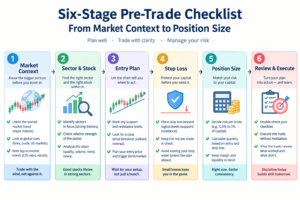
A simple 4-step trading framework many traders follow looks like this:
- Identify support and resistance levels
- Wait for price confirmation
- Enter the trade with a clear stop-loss
- Manage the position calmly
Support and resistance levels act like roadblocks for price. When price breaks those levels, strong moves often follow. This type of movement is often called an oil price breakout.
Many traders also rely on moving averages to confirm trends. For example:
- 50-period moving average
- 200-period moving average
When shorter averages move above longer ones, traders see a potential bullish trend. Conversely, when they cross downward, traders prepare for bearish movement.
Once you understand the basics, the next step is building a simple trading strategy.
Momentum indicators can also help. For example, many traders watch RSI for momentum shifts before entering trades. Many professional traders closely watch the weekly oil inventory report because it often triggers sharp price moves.
Still, no indicator guarantees profit. Instead, indicators guide your decisions while risk management protects your account. Many beginners start crude oil trading with simple breakout strategies.
The U.S. releases a weekly oil inventory report that traders watch closely. Energy Information Administration often creates volatility because it reveals changes in crude oil supply levels.
Also Read: Gift Nifty
Also Read: Backtesting
Best Timeframes for Oil Trading
Many intraday traders analyze crude oil on 5-minute, 15-minute, or 1-hour charts. Swing traders often use daily charts to identify larger trends. Using multiple timeframes helps traders confirm market direction before entering trades.
Also Read: Forward Testing
Different Ways to Trade Crude Oil
Traders can access crude oil markets through different instruments.
Common options include:
- Crude oil futures trading on commodity exchanges
- Contracts for Difference (CFDs)
- Oil ETFs
- Options contracts
Many beginners in India focus on MCX crude oil trading because it allows participation in global energy markets through commodity exchanges.
Each instrument has different margin requirements and risk levels. Therefore beginners should understand contract specifications before trading.
Also Read: Pledge
Risk Management in Crude Trading
Even the best setup fails sometimes. Because of that, smart traders focus heavily on risk control.
Start by protecting each trade.
A few simple rules help:
- Use a stop-loss on every trade
- Only risk a small part of your trading capital on each trade
- Avoid emotional revenge trading
- Keep position sizes reasonable
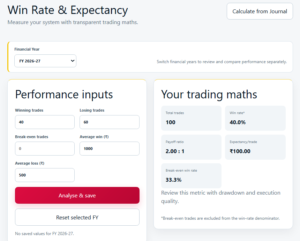
Professional traders often keep their risk small to protect their trading capital. For instance, many traders risk only one or two percent of their capital per trade.
This approach protects you during losing streaks. More importantly, it allows you to stay in the market longer.
Risk control also helps beginners learning price action trading strategies and technical analysis basics.
Over time, disciplined risk management becomes one of the strongest advantages in trading. Understanding these fundamentals helps traders approach crude oil trading with better confidence. Many professional traders also maintain a risk-reward ratio of at least 1:2, meaning the potential profit is at least twice the possible loss.
Also Read: 11 Crypto Insights
Why Most Beginners Lose Money in Crude Trading
Many beginners repeat the same mistakes. Spotting them early can help you avoid losses and unnecessary frustration.
Here are a few common problems:
- Over-leveraging positions
- Ignoring the overall trend
- Trading during sudden news spikes
- Entering trades without a clear plan
Over-leverage remains the most dangerous mistake. Large positions can wipe out an account quickly.
Similarly, ignoring market trends often leads to losses. When the market trends strongly, fighting the trend rarely works.
Instead, experienced traders focus on patience. They wait for clear setups and avoid unnecessary trades.
This mindset appears across intraday trading strategies, swing trading, and commodity market analysis.
Also Read: Bollinger Bands
Also Read: Nifty Reversal
Tools That Help You Analyze Oil Markets
Modern traders rely heavily on charts and indicators. Fortunately, many tools make analysis easier.
A few helpful tools include:
- Candlestick charts
- Moving averages
- Relative Strength Index (RSI)
- Volume indicators
Candlestick patterns often reveal market sentiment. For example, strong bullish candles may signal buying pressure. Many crude traders rely on these patterns to identify breakout opportunities.
Meanwhile, RSI highlights momentum shifts. When RSI drops below 30, markets may become oversold. Conversely, readings above 70 suggest overbought conditions.
Volume indicators add another layer of insight. Rising volume during breakouts often confirms stronger moves.
Many traders combine these tools with crude oil technical analysis, technical analysis training, and price action strategies. Together, they build a clearer market picture. Traders also watch the weekly oil inventory report because it often triggers sudden price volatility.
Also Read: Fibonacci Retracement
Developing a Consistent Oil Trading Routine
Consistency separates professional traders from beginners.
Successful traders follow routines rather than impulses. In fact, many professional traders spend more time preparing trades than actually placing them.
A simple routine might include:
- Reviewing global oil news
- Checking major support and resistance zones
- Analyzing chart trends
- Planning trades before market hours
Daily preparation reduces emotional decisions. It also helps traders react calmly during fast price movements.
Many traders keep journals that record entry points, stop levels, and results. Reviewing these records regularly helps traders understand what works and what does not.
Over time, patterns appear. Those insights help refine your strategy. Many crude traders avoid opening new trades just before weekly oil inventory reports because volatility can spike suddenly.
Reviewing past trades helps traders understand which strategies work best.
Also Read: Circuit Limit
Also Read: Backtesting & Forward Testing
Frequently Asked Questions
Is oil trading suitable for beginners?
Yes, beginners can trade crude. However, starting with small positions helps reduce risk.
How much capital do you need to start oil trading?
Why do oil prices move so quickly?
Global demand, supply changes, and geopolitical news frequently influence crude prices.
Can technical analysis work in oil markets?
Yes. Many traders use charts, indicators, and price action to analyze crude trends.
What are the best oil trading hours?
Many traders prefer trading during high-volume oil trading hours when global markets overlap.
Also Read: Liquidity Concept
Also Read: How to Use Stock Heatmaps
Expert Insight
Many professional traders emphasize that discipline matters more than prediction.
Successful crude traders often focus on risk control and consistency rather than trying to predict every price move.
Also Read: Market Order & Limit Order
Final Thoughts
Crude oil trading offers strong opportunities, yet it also demands discipline. Quick profits may appear tempting, but consistent success usually comes from steady learning.
Focus on simple strategies. Protect your capital carefully. Most importantly, stay patient while the market unfolds.
Over time, experience sharpens your judgment. Eventually, crude trading begins to feel less like guessing and more like structured decision-making.
And when you approach the market with that mindset, consistent profitability becomes far more achievable. Traders who continue learning topics like intraday trading strategies and price action trading techniques often improve their results over time. Similar principles also apply in other commodity and energy markets.
As you continue learning crude oil trading concepts and practicing disciplined risk management, spotting profitable opportunities becomes much easier.
Also Read: How to Open a Demat Account