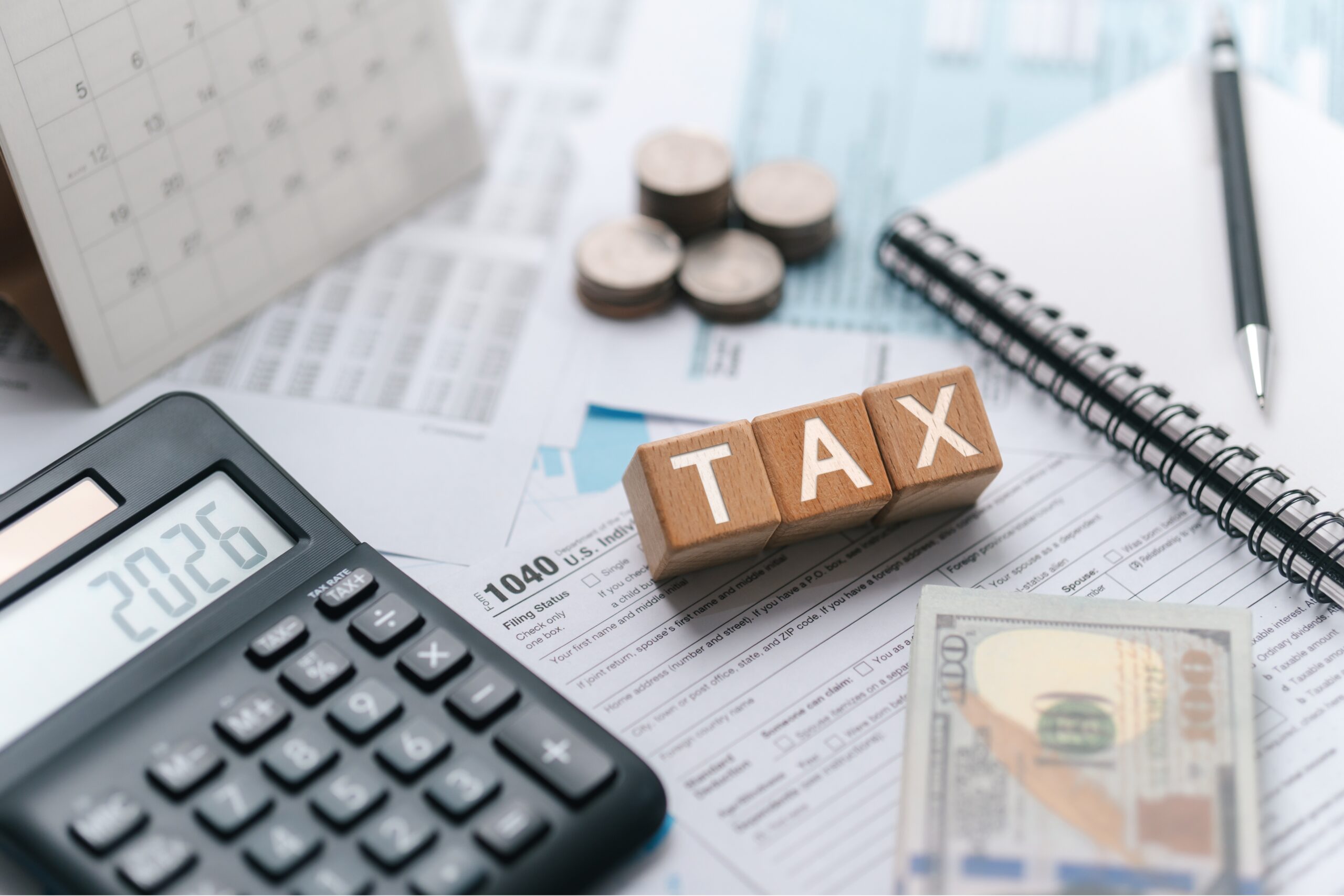
Overlooking tax obligations can gradually reduce your trading returns. Many traders focus on entries, exits, and market trends. Compliance requirements frequently receive attention near filing deadlines. By then, unexpected liabilities can eat into returns.
The good news? Trading taxes are not as confusing as they seem. Once you understand the basics, you can make better decisions, avoid common mistakes, and manage your money more effectively.
Table of Contents
Why Tax Knowledge Matters for Traders
Every profitable trade creates a potential compliance obligation. Therefore, understanding the rules helps you estimate your actual profit rather than focusing solely on gross gains.
Imagine earning ₹1,00,000 from trading. That number feels great. Yet taxes, brokerage charges, and transaction costs can reduce your final earnings.
Good traders focus on:
- Net profit, not just gross profit
- Accurate record keeping
- Risk management
- Regulatory compliance
Also Read: Risk to Reward Ratio
Also Read: Gold Trading
What Taxes Apply to Trading in India?
Income Tax on Trading Profits
The treatment depends on the type of trading activity involved:
Your applicable rate depends on your overall taxable income. Traders may also encounter several transaction-related charges and taxes.
Also Read: 12 IPO Strategies
Also Read: Heikin Ashi Candle
Securities Transaction Tax (STT)
Also Read: Nifty Reversal
GST, Stamp Duty, and Other Charges(Tax)
Many beginners only think about income tax.
However, trading costs often include:
- GST on brokerage services
- Stamp duty
- Exchange transaction charges
- SEBI charges
- DP charges for some delivery trades
These costs may seem minor individually. Together, they can affect profitability.
Also Read: What is EGR
Different Trading Segments Explained
Different traders may face different reporting situations.
Common categories include:
- Intraday traders
- Swing traders
- Positional traders
- F&O traders
- Long-term investors
- Currency traders
Your trading style often influences how income gets classified and reported. Swing and positional traders are often taxed based on the nature of their transactions and holding period. Classification may vary depending on whether the activity is classified as investing or business income.
Also Read: Golden Crossover
Intraday Trading Tax
Also Read: Bollinger Band
F&O Trading Tax
Futures and Options trading is generally classified as non-speculative business income. Handling numerous F&O trades requires accurate recordkeeping.
Also Read: Morning Star & Evening Star
Forex Trading Tax
Forex trading may be classified differently depending on the trading method and prevailing regulations. Profits are often treated according to the nature of the activity. Qualifying earnings are commonly classified as business income. Different requirements make record keeping and expert advice important. Forex traders should carefully monitor costs and annual performance statements.
Also Read: Momentum
Crypto Tax
Cryptocurrency transactions often carry unique reporting requirements. Investors should review current regulations before reporting digital asset transactions. Reporting requirements and allowable deductions may differ from those applicable to traditional securities.
Rates, reporting requirements, and set-off rules can differ from traditional investments.
Also Read: Chart Pattern
Delivery-Based Equity Trading Tax
Also Read: Stock Market Basics
| Type | Depends On |
|---|---|
| STCG | Applicable short-term holding period under current rules |
| LTCG | Applicable long-term holding period under current rules |
Because rules may change over time, always verify the latest rates before filing taxes.
Also Read: Backtesting Mastery
| Investment Type | Tax Treatment May Depend On |
|---|---|
| Listed Equity Shares | Gain classification often depends on holding duration |
| Equity Mutual Funds | Fund type and holding period |
| Unlisted Securities | Different capital gains provisions may apply |
Because treatment can vary across asset classes, investors should verify the latest rules before selling investments.
Also Read: Why Silver is in Demand
How Trading Taxes Affect Real Profits
Many traders calculate profits incorrectly.
For example:
- Gross trading profit: ₹50,000
- Brokerage and charges: ₹3,000
- Other costs: ₹1,000
- Applicable liability as per regulations
Your actual earnings can differ significantly from the number shown on your trading platform. That is why experienced traders focus on complete profitability rather than headline gains.
Also Read: Gold vs Silver Trading
Also Read: Circuit Limit
Simple Calculation Workflow
Many beginners wonder how trading obligations get calculated.
A simple approach is:
- Calculate total trading profit.
- Subtract eligible trading expenses.
- Identify the correct income category.
- Apply applicable rules.
- Include the amount while filing returns.
This process helps create a clearer picture of your actual earnings.
F&O Example
Consider annual F&O gains totaling ₹3 lakh. After deducting eligible trading expenses, the remaining amount may be added to your taxable income according to applicable filing rules.
Also Read: Market Gap
Simple Calculation Workflow
Good record keeping makes tax filing much easier.
Maintain records of:
- Trade confirmations
- Broker statements
- Profit and loss reports
- Contract notes
- Expense records
Many brokers provide downloadable reports that simplify this process. Paperwork may seem boring. Yet it often prevents major filing problems later.
Also Read: Aluminium Trading
Common Mistakes Traders Make
Many avoidable mistakes create unnecessary stress.
Here are some common examples:
Also Read: Fibonacci Retracement
Also Read: Backtesting & Forward Testing
Ignoring Trading Records
Missing records can make return filing difficult. Without proper documentation, calculating profit accurately becomes challenging.
Also Read: Pledge
Forgetting About Trading Costs
Some traders calculate profits without including charges. As a result, they overestimate actual performance.
Also Read: NiftyBees
Waiting Until the Last Minute
Rushed filing often leads to errors. Instead, organize records throughout the year.
Also Read: Triangle Chart Pattern
Assuming Every Trade Is Taxed the Same Way
Different instruments may have different tax treatment. Understanding those differences helps you plan better.
Also Read: Candlestick Psychology
How Trading Losses Affect Future Returns
Trading losses may sometimes reduce future liability.
Depending on applicable rules:
- Certain losses may be adjusted against eligible income.
- Some losses may be carried forward to future years.
- Speculative losses generally follow separate adjustment rules.
- Non-speculative losses may allow broader adjustment opportunities.
Because regulations can change, professional guidance can help avoid costly mistakes.
Also Read: Copper Trading
Audit Requirements for Active Traders
Audit eligibility often depends on turnover, profits, and applicable provisions.
Topics often discussed with professionals include:
- Trading turnover calculation
- Presumptive taxation
- Section 44AD
- Section 44AB
- Audit applicability
Audit requirements can change. Always review current requirements before submitting your return.
Also Read: Natural Gas Trading
Advance Tax and Trading Income
Profitable traders may need to pay advance tax during the financial year. Advance payment is generally relevant when total liability exceeds applicable thresholds under current regulations.
Missing these obligations can sometimes result in interest or penalties. These payments are generally made in scheduled instalments. Due dates may change, so confirm them through reliable sources.
Also Read: Crude Oil Trading
Which ITR Form Should Traders Use?
The correct choice depends on your trading activity and overall income structure. Professional advice may be helpful if you have multiple income sources or complex trading activity.
Also Read: Gold & Silver Trading
Simple Habits for Better Financial Results
You do not need advanced accounting skills.
Instead, focus on a few consistent habits:
- Save monthly trading reports
- Review profits regularly
- Track all expenses
- Understand your trading category
- Plan before filing deadlines
- Seek professional advice when needed
These habits support better financial decisions and reduce surprises.
Also Read: How to Identify False Breakouts
Also Read: Liquidity Concept
Stay Updated With Regulatory Changes
Also Read: Demand & Supply
FAQs
Do traders pay income tax on trading profits?
Is intraday trading taxed differently from investing?
Do brokerage charges affect profits?
Typically, yes. Brokerage, taxes, and transaction charges reduce actual profitability.
Should beginners track every trade?
Yes. Detailed records simplify return filing and improve performance analysis.
Can a tax professional help active traders?
Yes. Professional guidance can help you understand obligations and avoid costly mistakes.
Can trading losses be carried forward?
In many cases, certain trading losses may be carried forward subject to applicable compliance rules.
Is STT refundable?
STT generally forms part of trading costs. Specific treatment depends on prevailing regulations.
Do beginners need a tax audit?
Not every beginner needs an audit. Eligibility depends on turnover and other factors.
Do traders pay GST directly on profits?
GST generally applies to specific services and charges rather than directly to trading profits.
Which ITR form should traders file?
Many investors use ITR-2 for capital gains situations, while many active traders use ITR-3. The correct choice depends on income classification and trading activity.
Also Read: RSI
Final Thoughts
Trading success is not just about finding winning trades. It also means keeping more of your profits over time. When you understand tax rules, you gain a clearer picture of your real performance.
Markets will always change, and trading strategies will continue to evolve. However, good record keeping, smart planning, and financial awareness can support better results year after year.
Also Read: BTST Strategy