Bullion has been used to preserve wealth for centuries, yet many traders still overlook its full potential. Although shares, cryptocurrencies, and foreign exchange often receive greater attention, high-value metals remain popular during uncertainty. If you understand how this market works, you can make more confident trading decisions and build a stronger portfolio over time.
Bullion explained (Quick Answer)
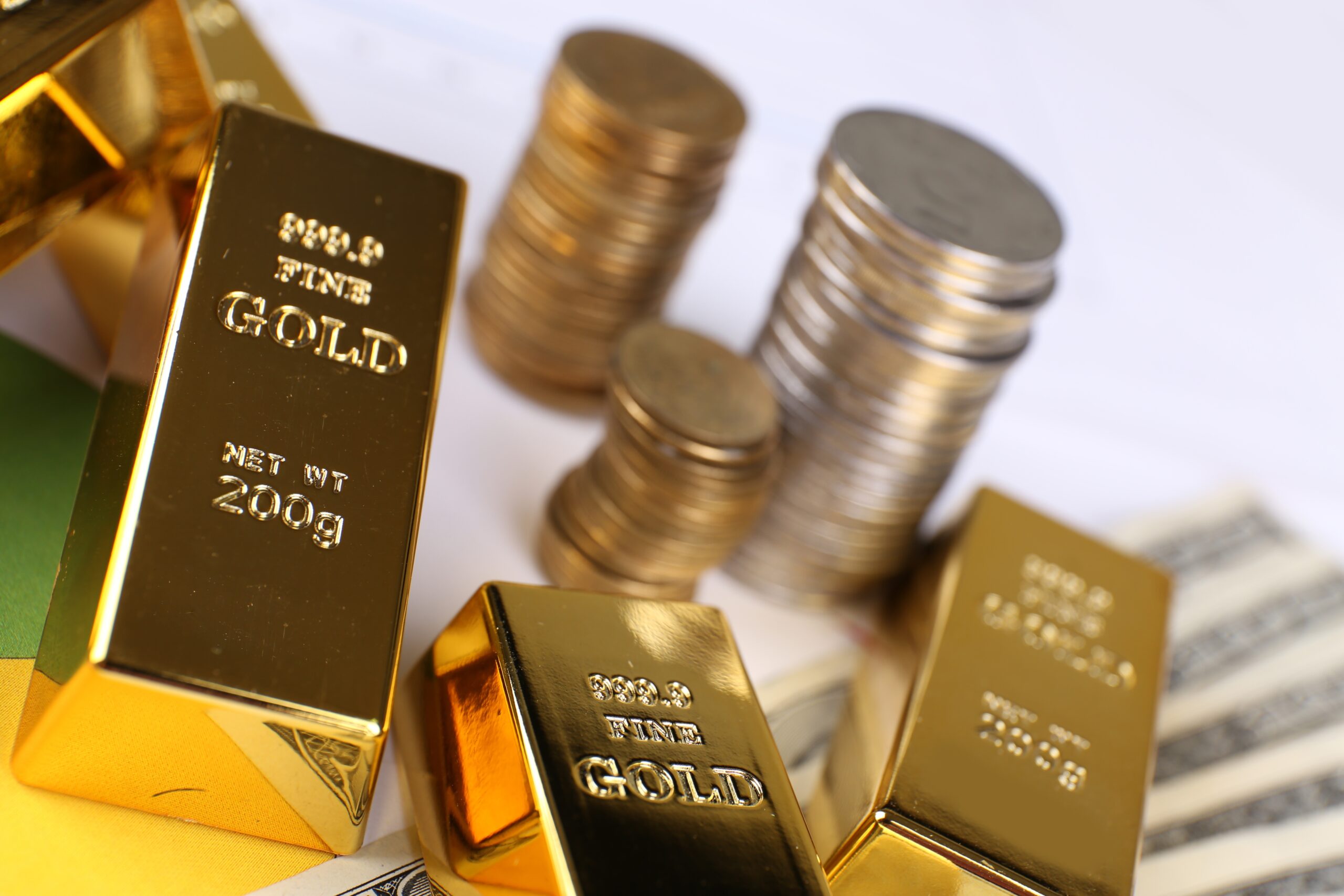
It refers to highly refined valuable metal intended for wealth preservation, commonly sold as ingots, minted pieces, or circular pieces. Its value mainly depends on the metal’s weight, purity, and current market price.
Numerous traders first concentrate on share markets or day trading before eventually exploring investment-grade metals. Others select bullion products because they prefer a tangible investment that often performs differently than equities. Whatever outcome you seek, mastering core concepts helps you make wiser decisions before investing real funds.
Table of Contents
What Is Bullion?
It is an investment-quality metal bought primarily to safeguard wealth instead of aesthetic use.
Nearly all wealth-preservation metal products are manufactured using one of the following metals:
- Gold
- Silver
- Platinum
Because its value follows global market prices, it changes throughout each trading day.
| Feature | Bullion |
|---|---|
| Main purpose | Investment |
| Common types | Bars, coins, rounds |
| Value depends on | Weight and purity |
| Popular metals | Gold, silver, platinum |
See it as acquiring the metal itself instead of decorative artistry or limited availability.
A Brief History
Gold and silver have served as trusted stores of value for thousands of years. Ancient civilizations traded gold and silver long before modern financial markets existed. As years passed, public authorities introduced official coins, while banks and exchanges created standardized precious-metals trading. Today’s financial systems enable individuals to access physical bullion, exchange-traded funds, and futures contracts worldwide.
Precious Resources and Commodity Markets
Although these names seem interchangeable, each describes a distinct concept.
| Term | Meaning |
|---|---|
| Bullion | Investment-grade, high-purity valuable metals |
| Valuable Metal Category | Gold, silver, and platinum in physical or processed forms |
| Commodities | Raw materials traded worldwide, including metals, oil, and agricultural products |
Every investment-quality metal item belongs to the high-value metals category, but many high-value metal products are not intended for wealth-building.
Also Read: How to Open a New Trading Account
Also Read: Trend Reversal
Why Bullion Matters in Trading
This asset class does much more than preserve wealth.
Many traders use it to:
- diversify investments
- reduce portfolio risk
- hedge against inflation
- balance market uncertainty
- participate in commodity trading
For example, equity prices can occasionally fluctuate sharply. During those periods, many market participants move some funds into investment metals. Even when values shift, these assets frequently behave unlike many traditional investments.
If you already trade futures, options, or follow the market cycle, understanding bullion gives you another valuable market to explore.
Why it Often Serves as a Financial Shelter
During market turmoil, uncertainty rises, many participants move funds into gold to help preserve purchasing power. Although values continue changing, gold often gains interest when faith in other investments weakens.
Also Read: Moving Averages
Types of Bullion
The investment comes in several forms. Each suits different investment goals.
Bars
Ingots generally involve the smallest markup over the prevailing spot price. For this reason, seasoned market participants frequently prefer larger ingots for extended wealth preservation.
Coins
National minting authorities issue many investment-grade coins. These coins are easy to recognize and simple to sell almost anywhere.
Popular examples include:
- American Gold Eagle
- Canadian Maple Leaf
- South African Krugerrand
- Austrian Philharmonic
Rounds
Rounds closely resemble coins, although private manufacturers produce them instead of official issuing authorities. Since they are not legal tender, they often cost slightly less than comparable coins.
Also Read: Fundamental Analysis
How Bullion is Made
Responsible Sourcing
Many refiners now follow responsible sourcing standards that encourage ethical mining, environmental protection, and recycled high-value metals. Selecting reputable refiners encourages more environmentally responsible sourcing.
Also Read: Bull Market
Bullion vs Other Investments
Every investment serves a different purpose. Comparing these options supports better investment decisions.
| Investment | Main Goal | Risk Level | Physical Asset |
|---|---|---|---|
| Bullion | Wealth preservation | Moderate | Yes |
| Stocks | Business growth | Higher | No |
| ETFs | Diversified market exposure | Moderate | Usually No |
| Mutual Funds | Professionally managed investing | Moderate | No |
| Real Estate | Income and long-term appreciation | Moderate to High | Yes |
| Bonds | Regular income | Lower | No |
| Cryptocurrency | High growth potential | Very High | No |
| Futures | Speculation or hedging | High | A Big No |
| Options | Income, hedging, or speculation | Very High | No |
This wealth-preservation option may not generate rapid profits every time. However, it often adds stability when markets become unpredictable.
Many investors combine them with ETFs, dividend stocks, or equity investments instead of relying on only one asset class.
Long-Term Performance Perspective
Also Read: Double Top
Also Read: Gift Nifty
Bullion Trading vs Bullion Investing
| Investing | Trading |
|---|---|
| Long-term focus | Short-term opportunities |
| Lower activity | Frequent buying and selling |
| Builds wealth gradually | Seeks price movements |
| Less emotional pressure | Requires discipline |
If you enjoy price action trading or candlestick trading, precious-metals trading offers many technical opportunities.
On the other hand, long-term precious-metals investors usually focus more on inflation, central bank demand, and economic trends.
Trading Styles
This market supports several trading styles.
| Style | Holding Period |
|---|---|
| Scalping | Minutes |
| Intraday | Same day |
| Swing | Days to weeks |
| Positional | Weeks to months |
| Long-term | Years |
Choose the style that matches your experience, schedule, and risk tolerance.
Also Read: Colour Trading
What Moves Bullion Prices?
How Exchange Rates Affect Bullion
Several forces influence gold and silver prices every day.
Common drivers include:
- Inflation
- Interest rates
- US Dollar strength
- Central bank buying
- Global conflicts
- Mining supply
- Industrial demand
- Investor sentiment
For instance, rising inflation often increases interest in gold because many investors see it as a store of value.
Likewise, silver prices may react to both investment demand and industrial production.
Gold and silver are bought and sold worldwide using the US dollar. When the US dollar strengthens or weakens, metals prices often react. Indian traders should also watch the USD/INR exchange rate because currency movements can influence domestic precious-metal prices, even when global metal prices remain unchanged.
Understanding Spot Price, Premium, and Spread
Three terms appear frequently when buying precious metals.
| Term | Meaning |
|---|---|
| Spot Price | Current market value of the metal |
| Premium | Extra amount above the spot price |
| Spread | Difference between buying and selling prices |
Example:
If gold’s spot price is ₹9,000 per gram and a dealer lists it at ₹9,250 excluding applicable taxes, the ₹250 difference includes the dealer’s premium (or markup) above the spot price.
Dealer Markup
Seller premiums include processing, shipping, warehousing, operating expenses, and earnings. Comparing several trusted dealers can help you avoid paying unnecessarily high markups.
Also Read: Trading Account Setup
Bullion and Technical Analysis
Successful traders rarely depend on one indicator alone.
Instead, many combine several tools, including:
For example, a breakout supported by rising volume often carries more conviction than price movement alone.
Likewise, combining candlestick psychology, price action trading, and proper risk management can improve decision-making without guaranteeing profits. Many traders also Market Gap analysis and Order Block Trading for additional confirmation.
Also Read: Trading Tick
Physical Bullion vs Paper Bullion
First, decide between physical bullion ownership and participation in price movements.
Physical Ownership
Physical bullion provides actual possession of investment-grade precious assets. You can store it at home, in a bank locker, or in a professional vault. Many long-term investors value this because no financial institution stands between them and their asset.
Paper Investments
ETFs vs Mutual Funds
| ETFs | Mutual Funds |
|---|---|
| Follow the real-time value of bullion markets | Can hold shares of mining companies or related businesses |
| Trade throughout the day | Bought and sold at end-of-day NAV |
| Lower tracking difference | Depends on the fund’s strategy |
Also Read: ChatGPT vs Google in Trading
Also Read: How to Use TradingView
Gold Bullion vs Silver Bullion
Gold and silver each offer unique advantages.
| Feature | Gold | Silver |
|---|---|---|
| Price volatility | Lower | Higher |
| Affordability | Lower | Higher |
| Industrial demand | Moderate | High |
| Investment demand | Very High | High |
| Suitable For | Wealth preservation | Growth and diversification |
Gold has often attracted investors during periods of economic uncertainty, while silver’s price is influenced by both investment demand and industrial activity.
If you’re comparing both markets, our Gold vs Silver Trading guide can help you understand their different price behaviors.
Gold stands among the globe’s most readily exchangeable stores of value, while silver ranks similarly. Popular gold and silver products can usually be sold quickly through dealers or exchanges, although buy-back prices may differ slightly.
What Does Liquidity Mean?
Liquidity measures how easily an asset can be converted into cash at a reasonable price. Gold usually offers excellent liquidity because buyers exist worldwide. Silver generally sells with ease, although larger volumes may need additional time depending on regional demand.
Also Read: Triangle Chart Pattern
Purity Explained
Fineness measures the amount of investment-grade material found in a product. The higher the purity, the less alloy the product includes.
| Purity | Meaning | Common Use |
|---|---|---|
| 22K | About 91.6% pure | Jewellery |
| 24K | Nearly pure gold | Bullion |
| 999 | 99.9% pure | Investment bullion |
| 999.9 | 99.99% pure | Premium bullion |
These details make future resale much easier.
Investment Metal vs Jewellery
| Feature | Bullion | Jewellery |
|---|---|---|
| Purpose | Investment | Personal use |
| Purity | Very high | Usually lower |
| Making charges | Minimal | Higher |
| Resale value | Based on metal content | Includes design depreciation |
| Suitable for | Investing | Wearing |
Hallmarks and Assay Certificates
Trusted investment-grade products usually include proof of authenticity.
Look for:
- LBMA-approved refiners
- Government hallmark (where applicable)
- Assay certificate
- Serial number
- Purity stamp
These details make buying and selling much safer.
Also Read: Pledge
How to Buy Bullion Safely
Buying precious metals becomes much easier when you follow a simple process.
A Simple Buying Checklist
Buying Online or Offline
Internet sellers usually offer more choices and better prices, whereas nearby vendors let you examine items firsthand. Choose established sellers regardless of the purchasing method.
Also Read: Sensex & Nifty
Also Read: Sector Rotation
How to Buy Bullion Safely
Safe storage protects your investment.
| Storage Method | Advantages | Considerations |
|---|---|---|
| Home safe | Easy access | Requires good security |
| Bank locker | Strong protection | Annual rental cost |
| Professional vault | High security | Storage fees apply |
If your investment grows over time, insurance may provide additional peace of mind.
Also Read: Chart Pattern
How to Spot Fake Bullion
Counterfeit products appear more often than many beginners expect.
Before buying, check:
- Weight
- Magnet test (basic screening only; not conclusive)
- Size
- Thickness
- Serial number
- Purity stamp
- Assay certificate
Reputable dealers also use advanced testing methods such as X-ray fluorescence (XRF) or ultrasound scanners. Buying from established sellers remains your best protection.
Also Read: Momentum
Bullion Trading on MCX
Many market participants in India choose MCX bullion trading over acquiring tangible wealth-preservation metals. Always check the latest contract specifications, including lot size, expiry date, tick size, and margin requirements before placing a trade.
MCX offers contracts for:
- Gold
- Silver
- Gold Mini
- Gold Guinea
- Gold Petal
- Silver Mini
- Silver Micro
These contracts allow traders to benefit from price movements without taking physical delivery in most cases.
If you’re new to Commodity Trading, understanding contract size, expiry, and margin requirements is essential before placing your first trade. Imported precious metals may also be affected by customs duties, which can influence domestic prices.
Major Bullion Markets Around the World
Several exchanges influence global bullion prices.
- London Bullion Market Association (LBMA)
- COMEX (United States)
- MCX (India)
- Shanghai Gold Exchange
- Dubai Gold and Commodities Exchange
Prices across these markets help shape global trading. Benchmark prices published by organizations such as the LBMA help create globally recognized reference prices for precious metals.
Global Bullion Trading Sessions
Bullion trades across major financial centres including London, New York, Shanghai, Dubai, and Mumbai. Because these markets overlap during different time zones, bullion prices can move throughout much of the day.
Digital Gold and Sovereign Gold Bonds
Besides physical bullion, Indian investors can also gain exposure through digital gold and Sovereign Gold Bonds (when available through government issuances). These alternatives eliminate storage requirements while providing exposure without owning tangible precious metals. Imported precious metals may also become more expensive when import duties increase, which can influence domestic prices.
Who Participates in the Bullion Market?
These markets involve many participants.
- Refiners
- Government mints
- Dealers
- Commercial banks
- Central banks
- Retail investors
- Institutional investors
Each group influences demand and market liquidity.
Also Read: Morning Star & Evening Star
Futures and Options
These markets also offer opportunities through Futures and Options. These products attract active traders because they provide greater market exposure through margin.
However, higher potential rewards also bring higher risk.
Before trading leveraged products, understand:
- Margin requirements
- Contract expiry
- Position sizing
- Volatility
- Stop-loss placement
Good Risk Management matters far more than predicting every market move.
Also Read: MTF
Risk Management for Bullion Traders
Even experienced traders accept losing trades. The difference is how they control losses.
Helpful habits include:
- Put only a small portion of your trading capital at risk.
- Always define your Entry and Exit before trading.
- Keep your Risk-to-Reward Ratio balanced.
- Keep a detailed Trading Journal.
- Develop your skills using demo trading before investing real funds.
- Review your results through Backtesting and Forward Testing.
Strong habits often matter more than finding the perfect strategy.
Also Read: Top & Bottom Signal
Also Read: Double Bottom
Trading Risks
Investor Psychology
Fear often pushes investors toward bullion during uncertainty, while greed may encourage buying after large rallies. Following a written investment plan helps reduce emotional decisions.
Also Read: Golden Crossover
Common Bullion Trading Mistakes
Many beginners repeat the same errors.
Avoid these common mistakes:
- Chasing fast price moves
- Ignoring market news
- Trading without a plan
- Using excessive leverage
- Forgetting transaction costs
- Skipping stop-loss orders
- Letting emotions drive decisions
Learning from these Trading Mistakes can protect your account and improve long-term consistency.
Common Scams
Watch for warning signs.
- Prices far below market value
- Missing certificates
- Unknown dealers
- Fake purity claims
- Pressure to buy quickly
Buying from established sellers greatly reduces these risks.
Also Read: Heikin Ashi Candlestick
When Might Bullion Fit Your Portfolio?
Bullion may suit you if you want to:
- Diversify beyond stocks
- Reduce overall portfolio risk
- Protect against inflation
- Add exposure to precious metals
- Balance long-term investments
Many investors combine bullion with equities, ETFs, and other assets instead of relying on a single investment. Combining different investment types often increases resilience during shifting market environments.
How Much Should You Own?
There is no universal percentage. Many investors keep between 5% and 15% of their portfolio in precious metals. Your suitable portfolio share is determined by your objectives, time frame, and capacity for risk.
Dollar-Cost Averaging
Rather than committing a lump sum, numerous buyers accumulate valuable metals through regular purchases. This strategy may reduce the impact of short-term price volatility.
Systematic Investing
Some investors build bullion exposure through regular monthly investments using available ETF or digital investment plans. This strategy promotes consistent investing instead of forecasting near-term price fluctuations.
Also Read: Nifty Reversal
Myths vs Facts
Many myths discourage people from exploring bullion. Knowing the facts helps you make better decisions.
| Myth | Fact |
|---|---|
| Bullion is only for wealthy investors. | You can start with a modest investment. |
| Gold always rises in value. | Gold prices can rise or fall over time. |
| Silver only has industrial value. | Silver serves both investment and industrial purposes. |
| Physical bullion is always safer. | Proper storage remains essential for physical bullion. |
| Trading bullion guarantees profits. | Every investment carries risk and uncertainty. |
Understanding the facts behind popular misconceptions supports more confident investing.
Also Read: Fibonacci Retracement
Pros and Cons
| Pros | Cons |
|---|---|
| Tangible asset | Storage required |
| Inflation hedge | Prices can fluctuate |
| Portfolio diversification | Dealer premiums |
| Global liquidity | Insurance may be needed |
Also Read: Smart Money Concept
Also Read: Circuit Limit
Decision Guide
Your investment goal should shape your choice.
| Goal | Best Choice |
|---|---|
| Preserve wealth | Gold bullion |
| Small budget | Silver bullion |
| Short-term trading | Bullion futures |
| Diversify investments | Gold or silver ETFs |
| Hedge against inflation | Physical gold bullion |
| Active technical trading | MCX bullion contracts |
There is no single best option. The ideal choice aligns with your experience, financial resources, and willingness to accept risk.
Example Starting Budgets
| Budget | Possible Approach |
|---|---|
| 10,000 | Small silver purchase or a bullion ETF |
| 50,000 | Larger silver holding or partial gold allocation |
| 1,00,000 | Diversified mix of gold and silver |
Who Should Consider it?
Bullion may suit you if you:
- want portfolio diversification
- prefer long-term investing
- seek inflation protection
- trade commodities regularly
- value tangible assets
Who May Avoid it?
How to Verify a Dealer
Before purchasing bullion:
Check customer reviews.
Verify business registration.
Compare premiums instead of only prices.
Confirm buy-back policy.
Ask for purity certification.
A trustworthy dealer should answer these questions openly.
Also Read: Backtesting & Forward Testing
Helpful Advice Before Your First Bullion Trade
Steady habits can lead to meaningful progress over the long term.
- Understand market behavior before committing actual capital.
- Follow a written trading plan.
- Watch both technical and economic signals.
- Compare dealer premiums before buying.
- Stay patient during volatile markets.
- Build experience gradually instead of chasing quick profits.
- Focus on Trading Psychology as much as market analysis.
- Review your portfolio periodically and rebalance when needed.
Successful traders usually rely on discipline rather than excitement.
Also Read: How to Find High Probability Trades
Checklist for Beginners
Before making your first investment, ask yourself:
- Have I chosen physical or paper ownership?
- Do I understand today’s market trend?
- Is my risk acceptable?
- Do I know my exit strategy?
- Have I verified the dealer?
- Do I have a secure storage plan?
- Am I following my Trading Rules?
Answering these questions can prevent costly mistakes.
When Should You Sell Bullion?
Selling depends on your goals.
You might consider selling when:
- you reach your financial target
- portfolio allocation becomes unbalanced
- you need liquidity
Avoid selling simply because markets become emotional.
Also Read: Famous Stock Market Term
Cost Breakdown
Remember that your total cost may include:
- Dealer premium
- GST (where applicable)
- Shipping
- Insurance
- Storage fees
These expenses affect your overall return.
Tax Considerations
Insurance for Physical Metals
Insurance can protect valuable bullion against theft, fire, or accidental damage. Many professional vault services include insurance. Home storage usually requires separate coverage.
Also Read: Market Capitalization
Also Read: Trading Failure
Why Market Conditions Matter
Gold and silver values respond to multiple market influences.
Its price often responds to:
- Inflation
- Interest rates
- Currency strength
- Global events
- Central bank activity
- Supply and demand
- Overall market sentiment
Watching these factors alongside chart patterns can improve your decision-making.
If you also study Market Cycle, Liquidity Concept, Demand & Supply, Heatmaps, or Trading on News, you’ll gain a broader view of market behavior instead of depending on one signal. Festival demand, wedding seasons, and industrial consumption can also influence bullion prices, especially silver.
Also Read: Market Order & Limit Order
Key Terms Every Beginner Should Know
| Term | Meaning |
|---|---|
| Spot Price | Current market price |
| Premium | Extra dealer charge |
| Bid Price | Buyer’s offered price |
| Ask Price | Seller’s asking price |
| Troy Ounce | Standard precious-metal weight |
| Assay | Purity verification |
Also Read: How to Open a Demat Account
Frequently Asked Questions
Is it a Good Investment for Beginners?
What is the Difference Between Investment Metal and Jewellery?
Bullion is purchased mainly for investment. Jewellery includes design and making charges that usually increase its selling price.
Can I Trade Without Owning Physical Metal?
Which Metal is Better, Gold or Silver?
Does it Protect Against Inflation?
Many investors use precious metals as part of an inflation-protection strategy. However, prices can still fluctuate over shorter periods.
Also Read: How to Make Trading Easy
Should Beginners Use Leverage?
New traders usually benefit from learning the market first. Practice with Paper Trading before using leverage in live markets.
How is bullion priced?
Bullion prices are mainly based on the international spot price, exchange rates, dealer premiums, taxes, and local demand. Tax regulations differ across jurisdictions and can be updated periodically. Before buying or selling bullion, check the latest local tax regulations or consult a qualified tax professional.
Also Read: Muhurat Trading
Beginner Roadmap
Also Read: What is EGR
Final Thoughts
This asset has earned investors’ trust for generations because it combines real value with long-term appeal. Whether you prefer physical metals or active trading, understanding how bullion works helps you make more informed decisions. Keep in mind that consistent trading success seldom comes from a single indicator or flawless method. Instead, it comes from steady learning, careful planning, and disciplined execution. As your experience grows, you can combine bullion knowledge with Price Action Trading, Candlestick Psychology, Trendline, Breakout, Fundamental Analysis, and strong Risk Management to develop a well-rounded trading approach. Whether you choose physical Ownership, ETFs, or futures, match your approach to your goals instead of following market hype.
Most importantly, stay patient. Markets will always create new opportunities. Keep learning, review your trades regularly, and focus on consistent improvement rather than quick wins. The objective is not to forecast every price movement. The goal is to make better decisions, manage risk wisely, and stay consistent over time.
Also Read: Forex Trading